Elevate Your Home: Innovative Rooflight Designs for Today's Homes
Creative rooflight concepts are revolutionizing contemporary residences by enhancing natural light and improving overall ambiance. More and more homeowners are discovering the advantages of incorporating rooflights into their homes. These designs not only elevate aesthetic appeal but also contribute to energy efficiency and well-being. Yet, comprehending the distinct options and their alignment with diverse architectural designs remains important. Which factors should be evaluated when choosing the ideal rooflight for a particular property?
How Rooflights Increase Natural Light in Your Home
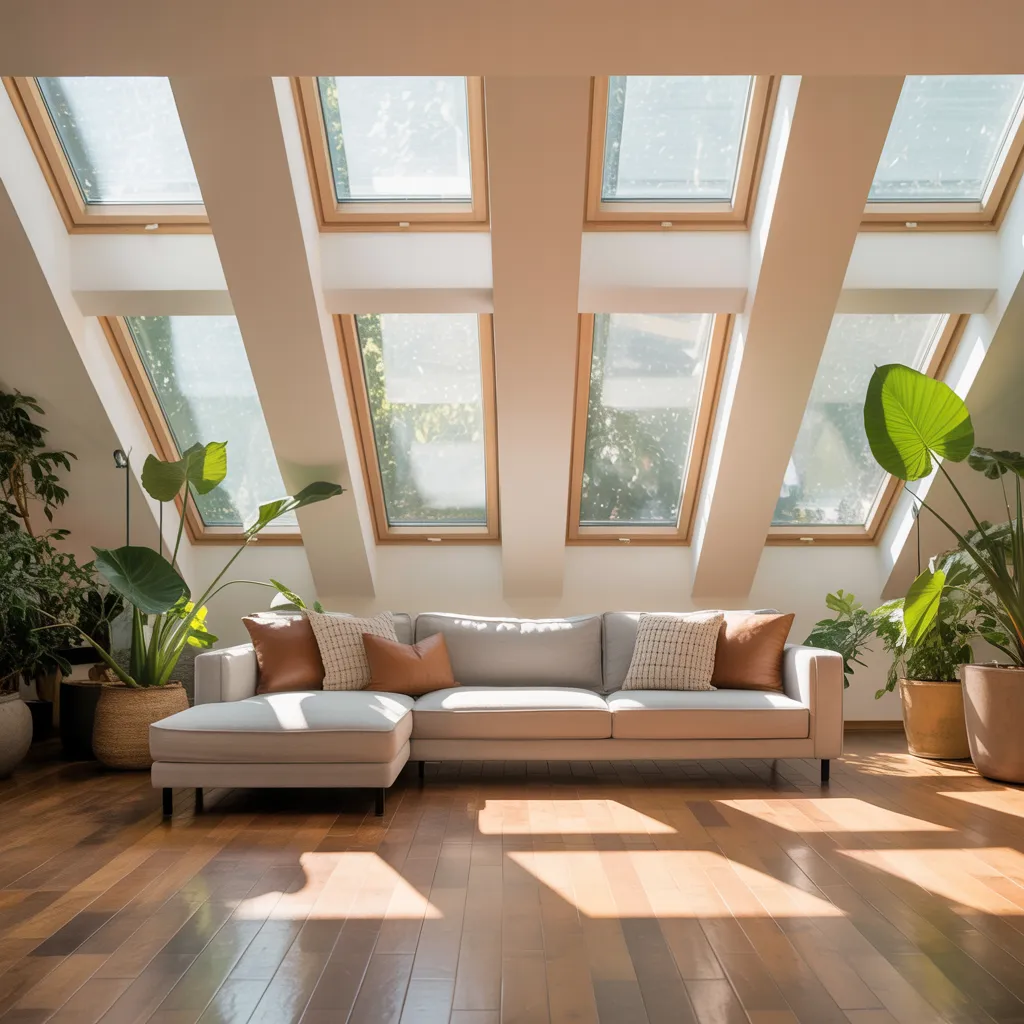
While many dive in homeowners look for ways to enhance their homes, little compares to the transformative effect of rooflights when it comes to increasing natural light. These innovative installations enable sunlight to pour into interior spaces, creating a bright and inviting atmosphere. By strategically placing rooflights, homeowners can maximize natural illumination, decreasing dependence on electric lighting during daytime hours.
The design flexibility of rooflights is also a key factor in their overall performance. Whether incorporated into flat roofs or pitched designs, they can be adapted to meet various aesthetic preferences and functional needs. Additionally, rooflights can strengthen the visual relationship between indoor and outdoor spaces, giving homes a more open and spacious feel.
In today's homes, energy efficiency is growing in significance, and rooflights help by making use of natural light to produce warmth and ambiance. Overall, the incorporation of rooflights reflects a refined method of maximizing natural light in residential settings.
Key Benefits of Installing Rooflights
Installing rooflights offers a wealth of advantages that can greatly elevate both the functionality and aesthetics of a home. One of the primary advantages is the dramatic improvement in natural illumination, which can make spaces appear more spacious and welcoming. This abundance of natural light can also enhance wellbeing and efficiency, creating a more positive home atmosphere.
In addition, rooflights are able to improve air circulation, letting warm air flow out and fostering a considerably more comfortable indoor living environment. A further advantage is improved energy efficiency; by decreasing dependence on electric lighting during the day, property owners can cut electricity bills.
Moreover, rooflights are able to create a impressive structural highlight, improving the overall appearance of both interior and exterior spaces. They can also raise the value of a property, as prospective buyers tend to look for properties that feature unique design characteristics. Overall, the installation of rooflights can completely transform a home by merging practical benefits with aesthetic improvements.

Kinds of Rooflights to Think About
When exploring the numerous types of rooflights available, homeowners can pick from several designs that cater to different needs and preferences. Fixed rooflights stand as a favoured choice, enabling ample natural light without the ability to open, making them ideal for areas where ventilation is of lesser importance. By comparison, vented rooflights provide the flexibility of opening, enhancing airflow and reducing indoor humidity. Skylights, typically broader and more striking, can function as focal points while admitting a significant amount of light. Tubular rooflights, suited to smaller spaces, channel sunlight through reflective tubes, making them an effective option for dark areas. For those seeking a modern touch, flat glass rooflights offer sleek lines and a minimalist design, blending seamlessly with contemporary architecture. All variations bring individual strengths, empowering homeowners to choose the best option that suits their particular preferences and functional requirements.
Essential Factors to Evaluate When Selecting Rooflights
Picking the correct rooflights for a home requires thorough evaluation of a number of key factors. Initially, the dimensions and positioning of the rooflight should complement the space's measurements to optimize natural light without overwhelming the space. Additionally, energy efficiency plays a significant role; choosing dual or triple-pane units can support a comfortable interior climate while reducing energy costs.
Additionally, the kind of glazing is significant; low-E glazing can reduce heat loss and reduce UV transmission. The skylight's style should also enhance the overall design scheme, ensuring a cohesive look.
Additionally, local planning permissions and building regulations need to be thoroughly assessed to avoid potential complications. Finally, installation techniques and ongoing maintenance needs need to be carefully reviewed, as they can impact overall durability and long-term functionality. Through careful assessment of these considerations, residents can make confident and well-considered decisions that enhance both functionality and style.
The Way Rooflights Enhance Different Architectural Styles
Rooflights can significantly improve the aesthetic appeal of a wide range of architectural designs, naturally merging functionality with design. In present-day homes, clean, understated rooflights can establish a bright, spacious feel, enabling natural light to pour into living areas. Period properties gain from more ornate rooflight styles, which can highlight period features while delivering contemporary advantages.
Within industrial design, large, frameless rooflights can complement raw materials like exposed brick and steel, enhancing the space's character whilst preserving a feeling of openness. Meanwhile, in eco-friendly homes, thoughtfully situated rooflights maximize daylight, minimising dependence on artificial lighting and supporting sustainable living.
Regardless of whether the style is classic, modern, or eclectic, rooflights act as a flexible design feature. They not only enhance the visual appeal but also increase energy effectiveness, ultimately improving the quality of life for homeowners. By thoughtfully integrating rooflights, architects can balance aesthetics and practicality, creating inviting spaces that resonate with their unique architectural identity.
Maintenance Tips for Long-Lasting Rooflight Performance
To maintain peak performance and longevity of rooflight installations, a proactive maintenance approach is crucial. Routine cleaning, regular checking of seals, and thorough assessment of the frame's integrity are essential measures. By implementing these practices, homeowners can strengthen the resilience and efficiency of their rooflights.
Ongoing Cleaning Schedule
Developing a consistent cleaning schedule is crucial for maintaining the performance and longevity of rooflights. Debris, dust, and environmental contaminants can build up on the glass, reducing energy efficiency and obstructing light. A consistent monthly cleaning programme is recommended, especially in regions with significant pollen or dust accumulation. Applying a soft cloth and a non-abrasive, gentle cleaner assures that the glass maintains its clarity without sustaining damage. It is also necessary to examine the bordering frame and drainage systems during cleaning, confirming they are unobstructed to prevent water accumulation. By adhering to this schedule, homeowners can enhance both the aesthetic appeal and functionality of their rooflights, ultimately prolonging their lifespan and effectiveness.
Inspect Seals Frequently
Routine cleaning supports the general upkeep of rooflights, but checking seals regularly is equally important for guaranteeing their durability and effectiveness. With time, environmental factors can deteriorate seals, resulting in leaks and diminished energy efficiency. Property owners should arrange routine inspections, preferably twice a year, to identify any signs of wear or damage. This encompasses examining for cracks, gaps, or discoloration across the seals, which might suggest the necessity for repairs or replacements. Proper sealing not only prevents water ingress but also enhances thermal performance, reducing energy expenses. By emphasizing regular seal inspections, homeowners can safeguard their investment in rooflights and preserve a comfortable, dry living environment, ultimately extending the lifespan of these modern architectural features.
Inspect Frame Condition
Examining the state of the rooflight frame is essential for preserving optimal performance. Periodic assessments can detect signs of wear, such as cracks, warping, or corrosion, which may compromise the rooflight's aesthetics and efficiency. It is advisable to regularly clean the frame to remove debris and prevent moisture accumulation, which can lead to further damage. Additionally, ensuring that the frame is firmly fixed will assist in preserving its structural integrity. Homeowners should also watch for any spaces between the frame and surrounding materials, as these can lead to air leaks and reduced energy efficiency. By implementing these maintenance tips, one can improve the lifespan of rooflight assemblies and confirm they continue to provide optimal light and airflow.
Commonly Asked Questions
Are Rooflights Able to Help Lower Energy Bills in My Home?
Rooflights are highly effective at reducing energy costs by making the most of natural light, decreasing the dependency on artificial lighting and promoting passive solar heating. This efficiency leads to lower electricity bills and a more eco-friendly home environment.
Do Rooflights Work Well in All Climates and Weather Conditions?
Rooflights are typically appropriate for a range of climates, but their performance can differ. In harsh temperature environments, appropriate insulation and suitable materials are necessary. Local environmental conditions ought to be evaluated to guarantee durability and energy efficiency throughout the year.
How Can I Maintain Privacy With Rooflight Installations?
To ensure confidentiality with rooflight installations, one can use tinted or frosted glazing, thoughtfully situate the rooflights to avoid direct sightlines, and include window treatments such as blinds or shades to preserve privacy without compromising natural light.
What Are the Best Materials for Rooflight Frames?
Aluminum, wood, and PVC are regarded as the top materials for rooflight frames. Aluminum delivers long-lasting performance with little upkeep, wood contributes a visually appealing warmth, while PVC is lightweight and resistant to weather, making each option viable for different preferences.
Can I Fit Rooflights Myself, or Should I Employ a Professional?
While some individuals may choose to install rooflights themselves, enlisting the help of a professional is frequently recommended. Professional knowledge ensures correct installation and compliance with safety regulations, ultimately preventing potential issues and enhancing the longevity of the rooflight.